Home care services play a crucial role in maintaining the well-being of individuals who need assistance in their daily lives. These services provide essential support, enabling many to continue living in the comfort of their own homes rather than moving to assisted living or nursing facilities. The ability to remain at home not only improves quality of life but also preserves a sense of independence and dignity for care recipients.
With the rising demand for home care services, families often find themselves navigating through complex decisions to ensure quality and affordability. Understanding the different types of care available, such as personal care, nursing care, and therapeutic care, helps in making informed choices.
Each type of care comes with varied costs, emphasizing the need for careful financial planning.
The financial aspect of home care can be daunting, but proper budgeting can alleviate some of the stress. Many local home care agencies offer consultations to help families understand their options and associated costs. This guidance can be pivotal in planning a budget that supports the specific needs of the individual receiving care.
Breaking Down the Costs of Care Services
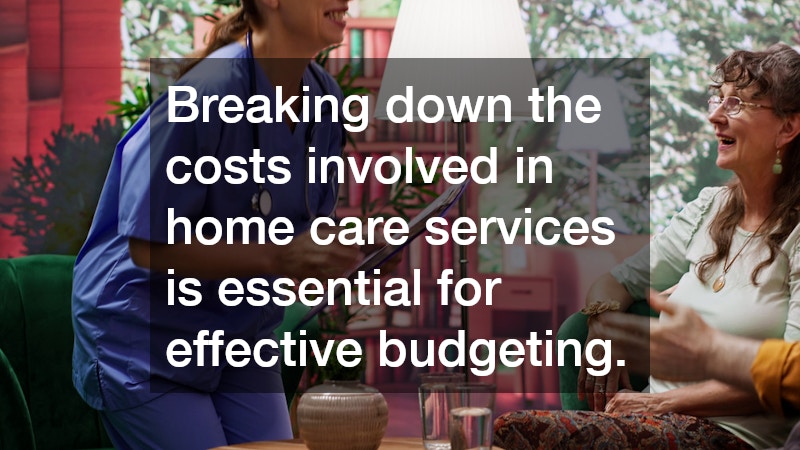
Breaking down the costs involved in home care services is essential for effective budgeting. These costs can vary widely based on the level of care required, the duration of care each day, and the location. For example, more intensive services such as skilled nursing will generally cost more than basic companionship services.
Understanding the fee structure of local home care providers is crucial. Some agencies charge an hourly rate, while others might offer packages that include multiple services. It’s important to review these options carefully and compare them with your budget to ensure a sustainable financial plan.
Additionally, families should inquire about any hidden fees or additional costs that might not be apparent initially. These could include charges for travel, emergency visits, or special equipment needed for care. Transparent communication with the home care provider will help in avoiding any unexpected expenses.
Exploring Funding Assistance and Insurance Options
Exploring funding assistance and insurance options can significantly aid in managing the costs of home care services. Many individuals are eligible for government assistance programs like Medicaid, which can help cover a portion of the home care expenses. In certain cases, local community organizations may also offer grants or subsidized services to those in need.
Insurance can play a pivotal role in offsetting costs. Those with long-term care insurance should thoroughly review their policies to understand what services are covered. It’s important to communicate with your insurance provider to clarify these details and maximize your benefits.
For those without insurance, financing options such as reverse mortgages or home equity loans may be a possibility. However, these should be considered carefully as they may have long-term financial implications. Consulting with a financial advisor can provide clarity and ensure that the chosen path aligns with your financial goals and circumstances.
Incorporating Budgeting Tools and Strategies
Incorporating budgeting tools and strategies is a proactive way to manage home care expenses effectively. Tools like budgeting apps can track spending and help families stay within their financial limits. These apps often offer features like setting spending alerts and providing insights on potential savings.
Creating a detailed budget plan that outlines monthly income, expenditures, and expected costs for home care is essential. Having a clear picture of how much you can afford to spend on care services each month allows you to plan accordingly. This budget should be reviewed regularly and adjusted as needed to reflect any changes in the level of care required or financial situation.
Family meetings can also be an excellent strategy for discussing budgeting plans and ensuring everyone is on the same page. Regular discussions can help address any concerns and refocus efforts on effective financial management. Involving loved ones in these decisions can also provide additional perspectives that may yield creative solutions or alternative cost-saving options.
Monitoring and Adjusting Your Financial Plan
Monitoring and adjusting your financial plan is crucial for maintaining control over home care budgets. Regular reviews of your budget and expenses can highlight areas where costs may be higher than expected. Being vigilant about these costs can help prevent financial strain in the long run.
Adjustments may be necessary as care needs change over time. This could involve increasing funds allocated for more intensive care or finding new ways to cut down on unnecessary expenses. Proactively managing these adjustments ensures that the care recipient continues to receive the necessary services without financial hardship.
Staying informed about changes in local home care costs and available services is also vital. Being aware of any new programs or discounts offered by home care agencies can lead to significant savings. Staying connected with local resources and support networks will keep you updated on the best ways to manage and adjust your budgeting strategies.